

Loading...
Built for the new era of search: Google, ChatGPT, Gemini and beyond.Explore AI visibility
Loading...
 Real examples from real businesses
See how businesses across industries use programmatic SEO to generate thousands of pages, rank for millions of keywords, and scale organic traffic.

Each page targets a keyword people actually search for, not arbitrary combinations.
Content goes beyond template swaps - each page provides genuinely useful information.
Dynamic data from APIs, databases, or feeds makes each page current and relevant.
Proven programmatic SEO patterns across different industries

/plumber-in-[city]A plumbing company created 500+ location pages targeting "plumber in [city]" keywords. Each page features local information, service areas, and unique testimonials.
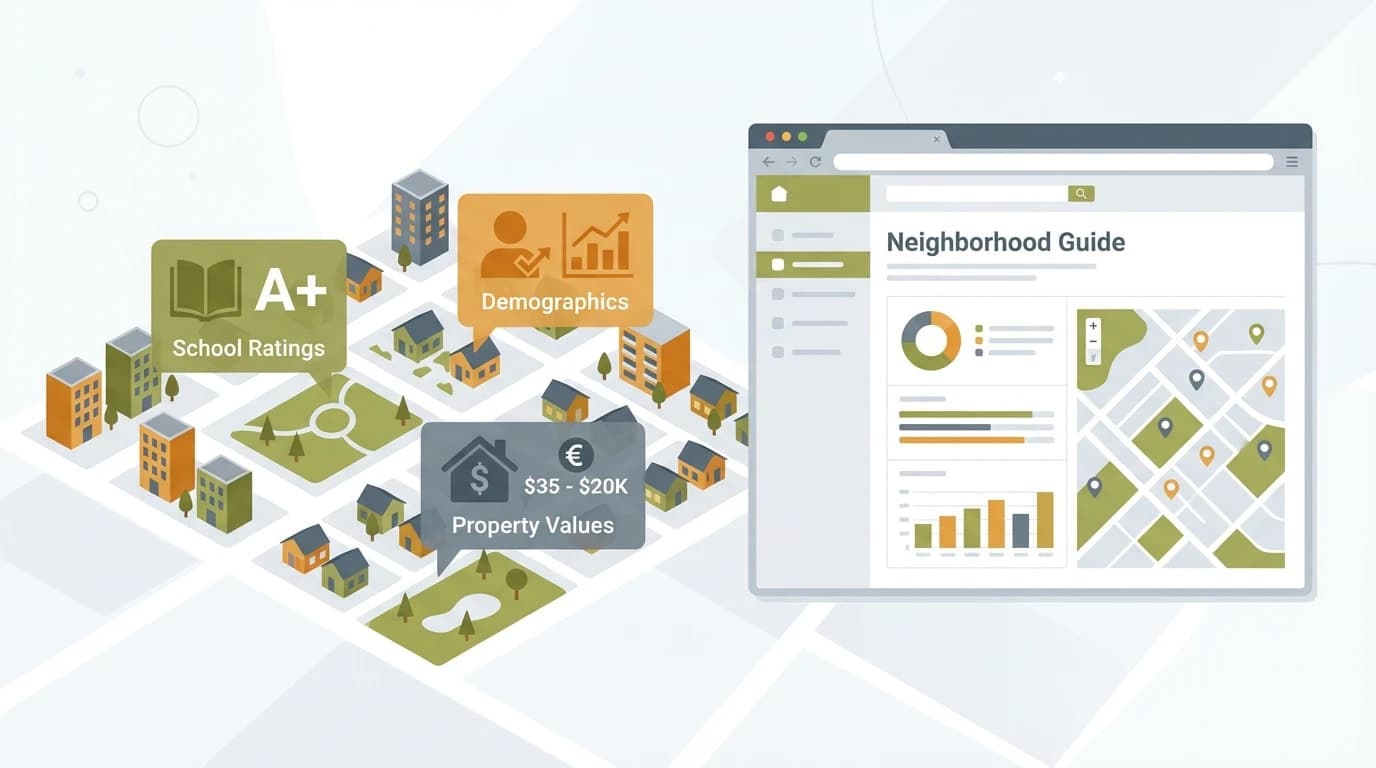
/homes-for-sale-[neighborhood]Real estate agency generates pages for every neighborhood with property data, school info, demographics, and local amenities pulled from APIs.
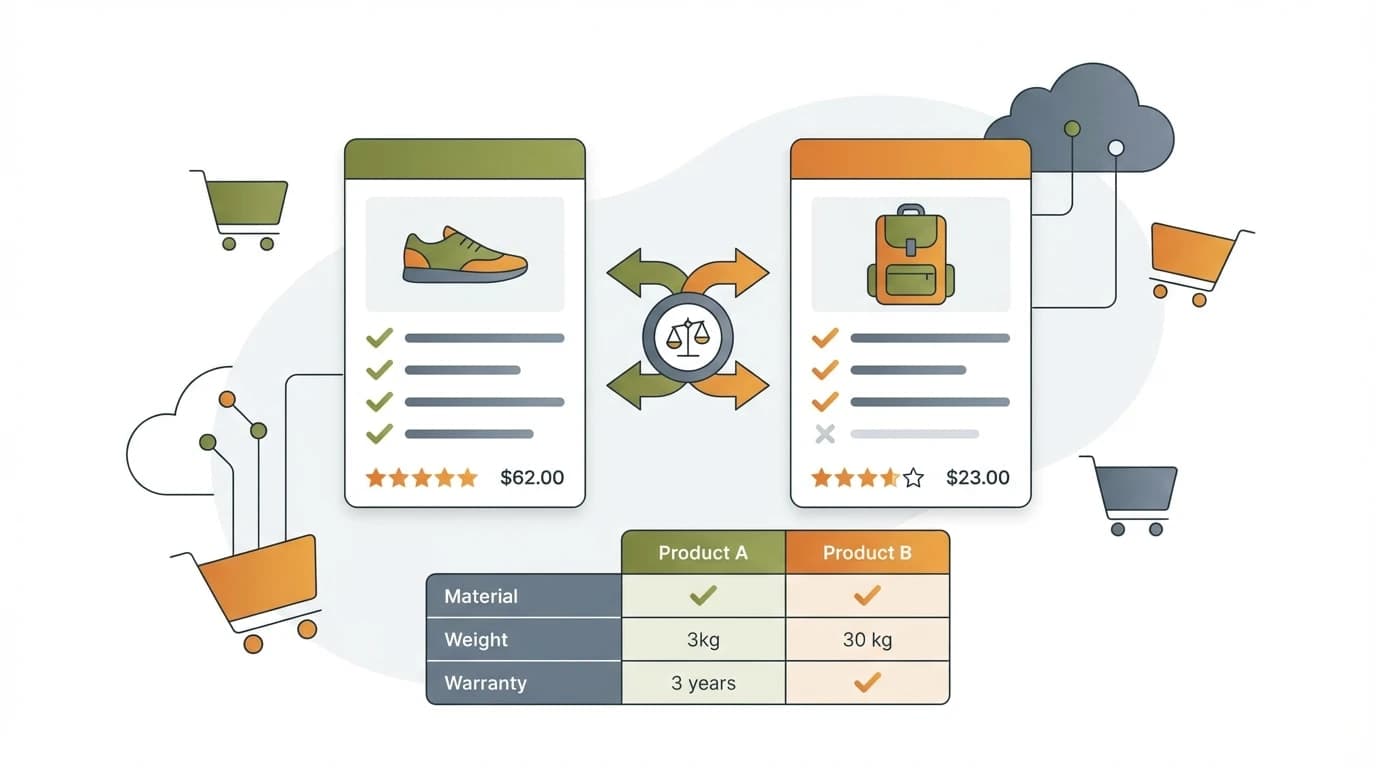
/[product-a]-vs-[product-b]Online retailer created comparison pages for every product combination. AI generates unique pros/cons, feature tables, and recommendations.
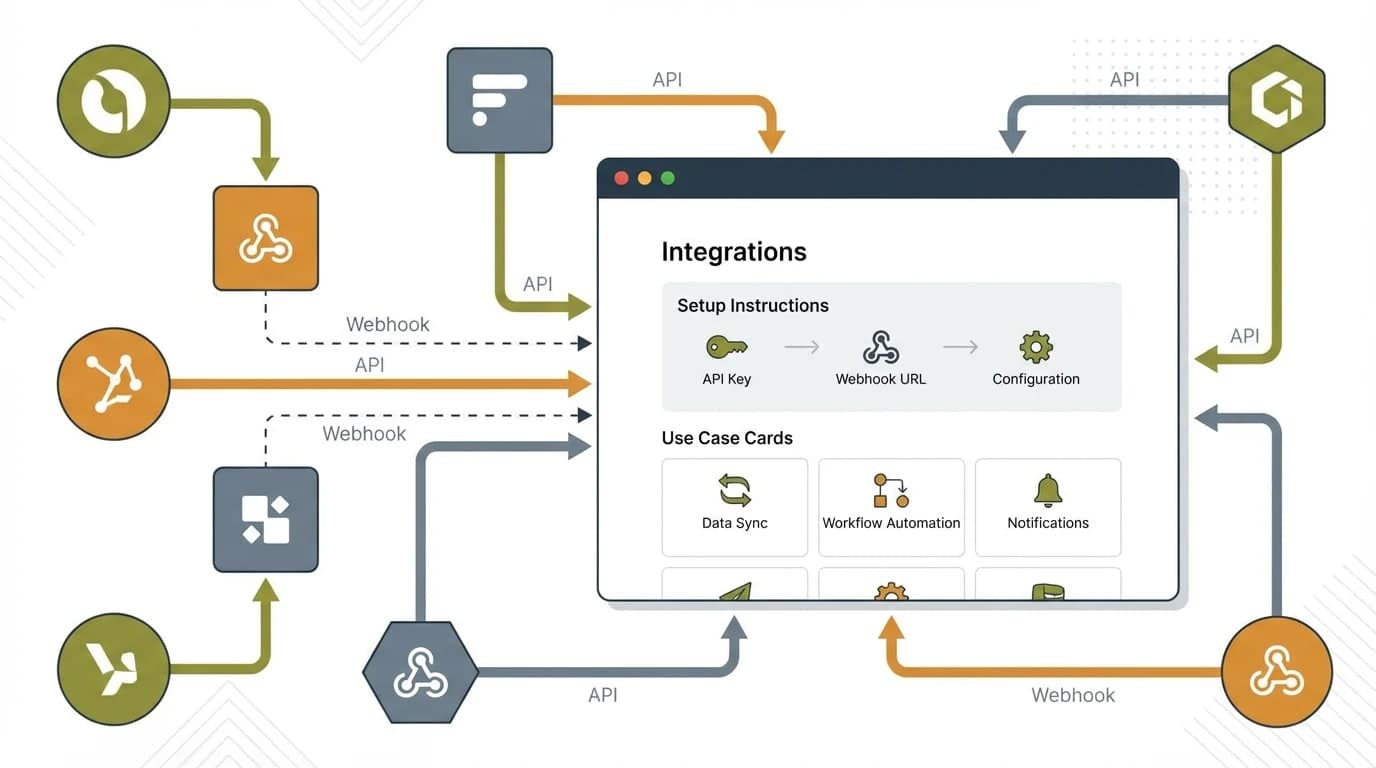
/integrations/[tool-name]Software company created pages for each integration partner. Shows use cases, setup guides, and benefits specific to each tool combination.

/things-to-do-in-[city]Travel site generates comprehensive destination guides with attractions, restaurants, hotels, and local tips for every city worldwide.
/[job-title]-jobs-in-[city]Job board creates pages for every job title in every city. Each page shows relevant listings, salary data, and market insights.
“The average programmatic SEO campaign generates 340% more organic trafficwithin 3 months”
Based on aggregated results from the examples below
/[business-type]-near-[location]Local directory generates pages for every business category in every city and neighborhood with reviews, hours, and contact info.
/best-[product]-for-[use-case]Affiliate site creates buying guides for every product-use case combination. AI writes unique recommendations based on product specs.
/[practice-area]-lawyer-[city]Law firm creates pages for every practice area in every city they serve. Each page includes local court info, case studies, and attorney profiles.
/used-[make]-[model]-for-saleCar dealership generates pages for every make and model combination with current inventory, pricing trends, and vehicle specifications.
/[cuisine]-restaurant-[neighborhood]Restaurant chain creates pages for each location featuring unique menu items, local reviews, delivery zones, and neighborhood-specific promotions.
/[insurance-type]-rates-[state]Insurance comparison site generates pages for every insurance type in every state with average rates, provider comparisons, and state-specific regulations.
/[artist]-concert-tickets-[city]Ticket marketplace creates pages for every artist performing in every city with tour dates, venue info, seating charts, and price comparisons.
/[industry]-staffing-agency-[city]Staffing firm generates pages for each industry vertical in every city with available positions, salary data, and employer partnerships.
/[service-type]-agencies-[city]B2B directory creates pages for every service type in every major city featuring top agencies, reviews, portfolio samples, and pricing ranges.
/[ticker]-stock-price-analysisFinancial site generates analysis pages for every stock and cryptocurrency with price history, technical indicators, news sentiment, and analyst ratings.
Reusable URL structures that work across industries
Best for: Local businesses, service providers, delivery companies
Best for: E-commerce, SaaS, affiliate sites
Best for: Finance, research, B2B sites
Best for: Educational sites, B2B companies, tech companies
Best for: Affiliate sites, review platforms, consumer guides
Best for: SaaS companies, educational platforms, content publishers
Best for: News sites, industry publications, corporate blogs
Best for: Event platforms, travel sites, calendar applications
Turn any of these patterns into reality in 3 simple steps
Connect Google Sheets, Airtable, or upload CSV with your keywords, locations, or products.
Create your page template with dynamic placeholders. Add AI to generate unique content.
Preview pages, generate at scale, and publish directly to WordPress with 1 click.
Common questions about implementing programmatic SEO
Good programmatic SEO examples share common traits: each page provides genuine value to users, content is unique (not just city name swaps), pages solve real search queries, and there's sufficient depth to satisfy user intent. The best examples combine templated structure with dynamic, data-driven content that makes each page useful on its own.
There's no magic number - it depends on your data and market. Start with your highest-value pages (usually 50-100) to validate the approach works. Then scale based on results. Some sites have 500 pages, others have 500,000. The key is ensuring each page has search demand and provides value.
Most programmatic SEO patterns are adaptable across industries. The location page pattern works for any local service. Comparison pages work for any product category. The key is having access to the right data source and understanding what your audience searches for.
Thin content happens when pages are too similar or lack depth. Avoid it by: using multiple unique data points per page, adding AI-generated analysis or recommendations, including user-generated content like reviews, and ensuring each page answers the search query comprehensively.
Typically 2-4 months for pages to index and start ranking, though this varies by domain authority and competition. High-authority sites may see results in weeks. New sites should expect 3-6 months. The advantage of programmatic SEO is that once pages start ranking, you have hundreds or thousands working for you simultaneously.
Common data sources include: city/location databases, product catalogs and APIs, industry datasets, government statistics, and internal business data. The best source depends on your use case. InstaRank supports Google Sheets, Airtable, CSV, and API connections to make any data source work.
Start generating thousands of pages like these examples. Free to get started.